
Agriculture News

31 districts in Karnataka receive less than 50% rain till now

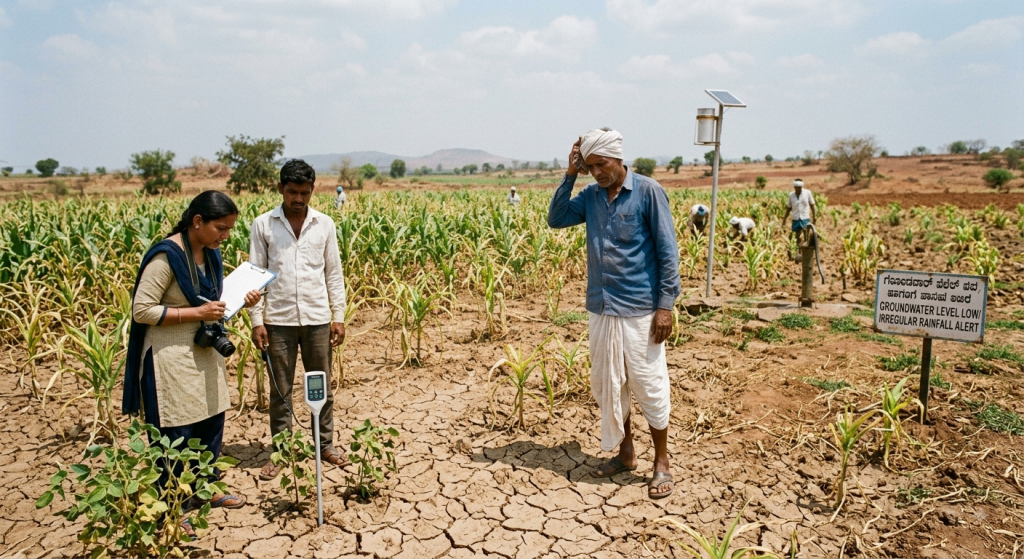
KARWAR: Karnataka is staring at one of its worst rainfall deficits in recent years, with more than half of its 31 districts receiving less than 50% of normal rainfall. More alarmingly, four traditionally rain-rich districts — Shivamogga, Kodagu, Dakshina Kannada and Chikkamagaluru — have recorded less than 40% of their normal rainfall, putting agricultural activities at serious risk this year. As of 16 districts have recorded significantly below-normal rainfall, insufficient to support farming activities. Among the worst-affected are Shivamogga, Kodagu, Chikkamagaluru and Dakshina Kannada, which have received only about 40% of their normal rainfall during June. According to district-level data compiled by the Agriculture Department, Shivamogga has received only 36% of its normal rainfall, recording a deficit of 64%. Kodagu has received just 39% of its normal rainfall, reflecting a 61% deficit. Chikkamagaluru and Dakshina Kannada have both recorded rainfall deficits of around 60%.

31 districts in Karnataka receive less than 50% rain till now Read More »
Karnataka CM Shivakumar warns of drought, asks farmers to avoid water

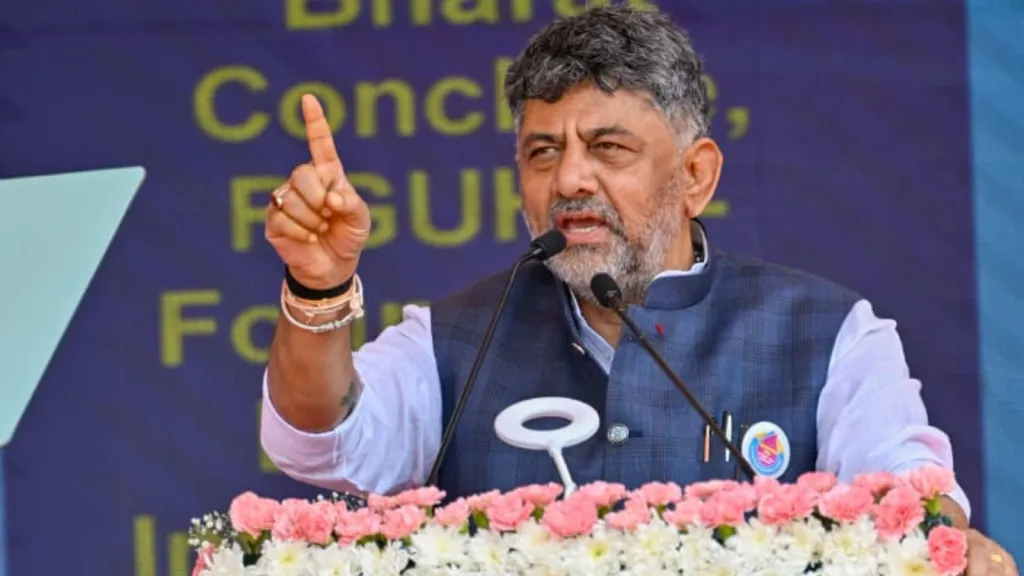
In the wake of concerns that a weak monsoon could result in diminished water availability for power generation and agriculture, Karnataka Chief Minister D K Shivakumar on Friday asked the Energy Department to ensure availability of coal supplies for thermal power and urged farmers not to cultivate water-intensive crops. Following a meeting with officials of the energy department in Karnataka on Friday, Shivakumar issued directions to officials to come up with an emergency plan in the event of weakened rainfall due to the El Nino effect this monsoon.

Karnataka CM Shivakumar warns of drought, asks farmers to avoid water Read More »

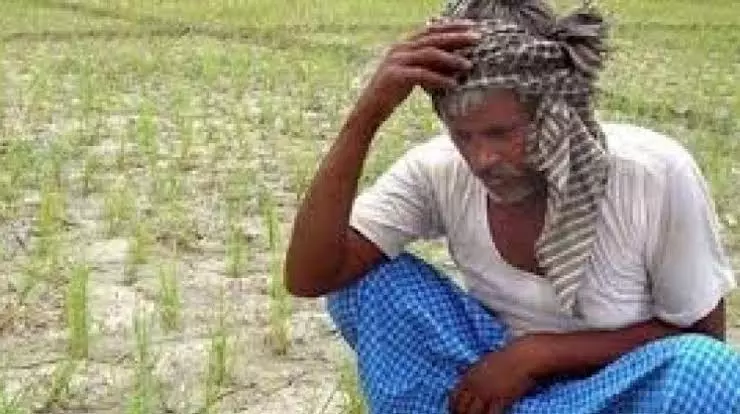
Haveri farmer Dies After Consuming Poison As Crop Fails, Debts Mount

A 44-year-old farmer from Chikkalingadahalli village in Haveri taluk, who was allegedly under severe financial stress following crop failure, died while undergoing treatment after consuming poison, police said. The deceased was identified as Nagaraj, who owned about 3 acres and 13 guntas of agricultural land. According to the complaint, Nagaraj had borrowed Rs 2.5 lakh from a Bank. He had also availed loans by pledging gold ornaments at two banks, besides taking a loan from a finance. The family had also borrowed money through a micro finance, taking his total liabilities to over Rs 5 lakh.

Haveri farmer Dies After Consuming Poison As Crop Fails, Debts Mount Read More »

Monsoon Weakening Raises Concern for Haveri Agriculture

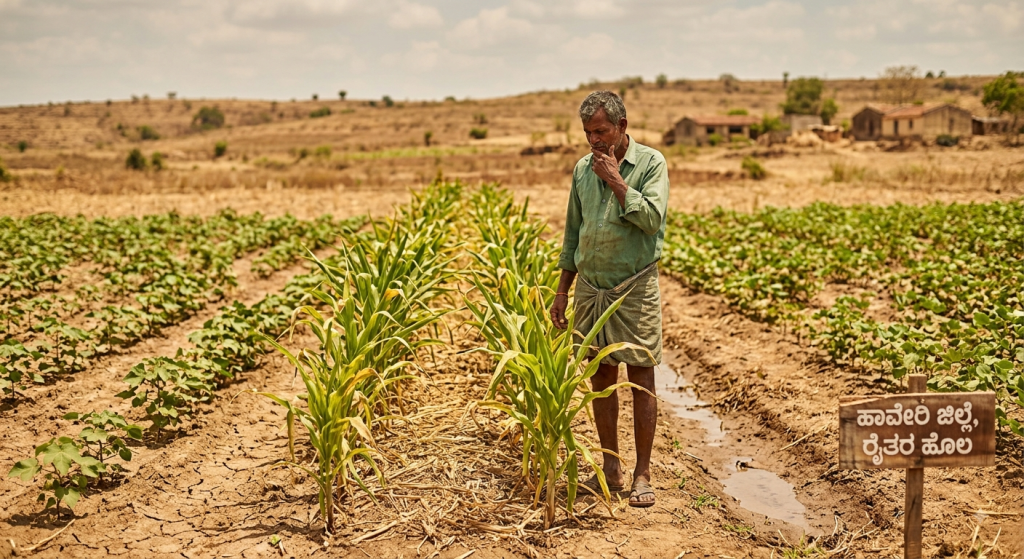
The latest monsoon outlook indicates that rainfall activity could weaken across western, central and southern parts of India over the next two weeks, creating concerns for rain-dependent agriculture. The outlook is particularly important for recently planted kharif crops, whose shallow root systems make them vulnerable to moisture stress during prolonged dry spells. The situation is already being closely watched in Haveri district, where farmers have reported crop stress following an extended dry spell. Some farmers have raised concerns about a possible “green drought”, in which crops may appear healthy but fail to produce expected yields because of insufficient rainfall during critical growth stages.

Monsoon Weakening Raises Concern for Haveri Agriculture Read More »

Millet Training Camp Empowers Rural Youth in Haveri

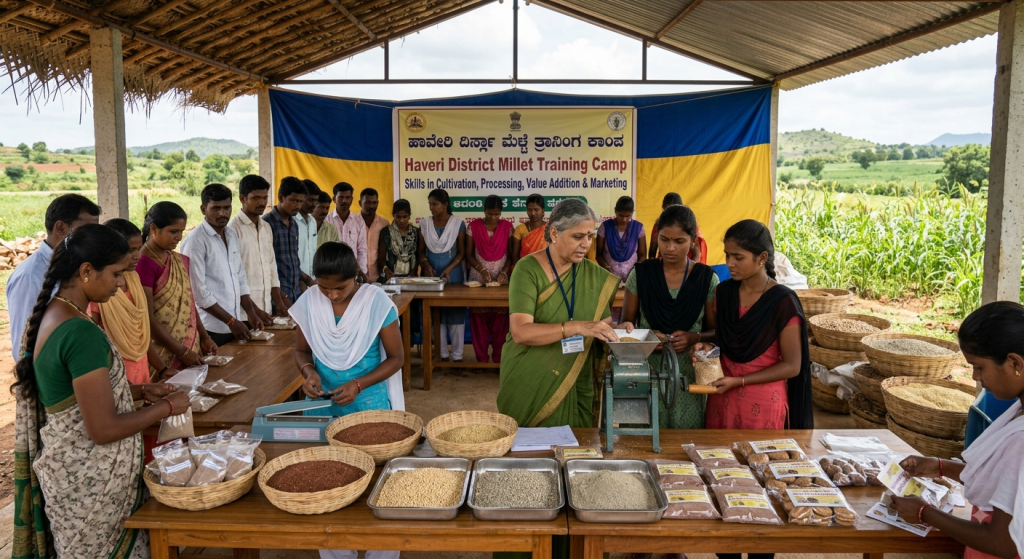
A millet training camp in Haveri district is helping rural youth develop practical skills related to millet cultivation, processing, value addition and marketing. The programme aims to show participants how millets can be transformed into marketable food products and used as a source of sustainable livelihood. The training includes hands-on guidance on post-harvest processing, value addition, packaging, branding and marketing. Such skills can help participants explore small-scale food-processing businesses and create additional income opportunities in rural areas. The initiative also highlights the growing importance of millets as climate-resilient and nutritious crops. By connecting agricultural production with processing and entrepreneurship, the programme can help strengthen local employment opportunities while encouraging wider adoption and consumption of millet-based products.

Millet Training Camp Empowers Rural Youth in Haveri Read More »

Weak Monsoon Creates Uncertainty for Haveri Farmers

Uneven and insufficient rainfall is creating concern among farmers in Haveri district, particularly those dependent on monsoon showers for their kharif crops. Timely rainfall is important during the early growth stages of crops such as maize, cotton and soybean, as prolonged dry spells can reduce soil moisture and affect crop development. Recent national weather reports also warn that rainfall may weaken across western and southern India, increasing the risk for newly planted crops. Farmers growing chilli and jowar are also closely monitoring rainfall conditions, as irregular showers can affect crop growth, flowering and eventual yields. The situation is especially challenging for rain-fed farming areas where irrigation facilities are limited.

Weak Monsoon Creates Uncertainty for Haveri Farmers Read More »

Rain Deficit Raises Concern Among Haveri Farmers

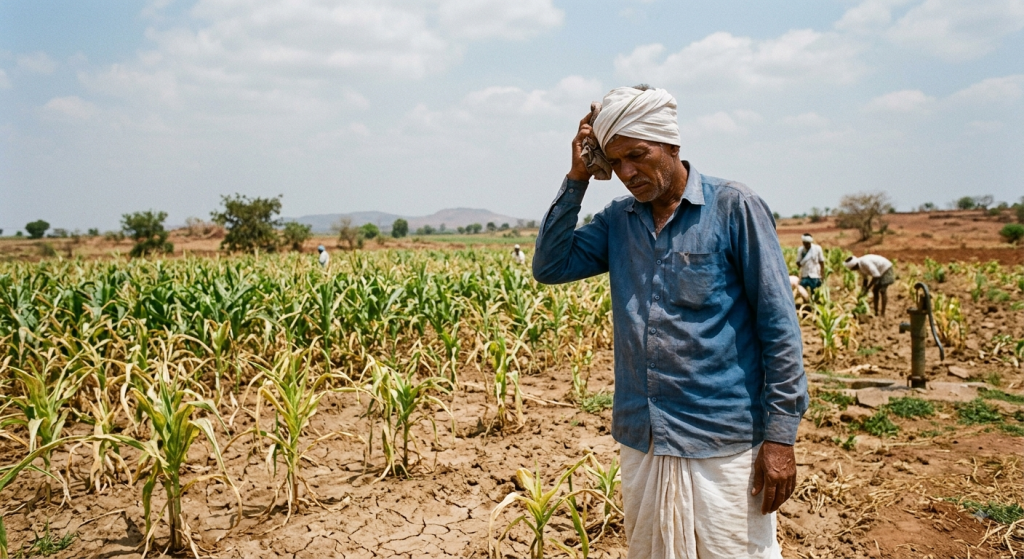
Farmers across Haveri district are facing growing concerns due to a prolonged dry spell and inadequate rainfall. Despite completing sowing, many farmers are worried that insufficient moisture could affect crop growth and reduce yields. Recent reports indicate that the dry conditions have caused visible stress in crops, prompting farmers to seek government intervention and relief measures. Farmers have urged authorities to assess the situation and consider measures to support affected agricultural families. The concern is particularly significant for rain-dependent farmers, whose crops rely heavily on timely monsoon showers.

Rain Deficit Raises Concern Among Haveri Farmers Read More »

Listings
News
Home
Jobs
Contact